
- What Counts as Remote Work?
- Types of Work From Home Jobs You Can Target
- Skills Remote Employers Look For
- Where to Search for Work From Home Jobs
- How to Tailor Your Resume for Remote Roles
- How to Spot Fake Remote Job Offers
- How to Ace the Remote Interview
- Moving Into Remote Work From Another Career
- Common Mistakes to Avoid
- Frequently Asked Questions
- Conclusion
Picture this: it’s Monday, 8:55 a.m. Instead of sitting in traffic, you’re at your own desk with a cup of tea, ready to start the day. That’s normal life for thousands of professionals who landed work-from-home jobs, and it’s more reachable than you might think.
The catch? Remote openings attract crowds, and many applicants send the same generic resume everywhere. This guide shows you which roles to target, where to search, how to tailor your application, and how to avoid scams. No fluff, just steps you can use this week.
What Counts as Remote Work?
Not every “remote” listing means the same thing. Before you apply, know the difference:
- Fully remote: You work from your home with no office at all.
- Hybrid: You split your week between home and an office.
- Remote-friendly: The company allows occasional home days, but the role is office-based.
- Contract or freelance: You work remotely as an independent professional, not an employee.
Read each listing carefully. A job marked “remote” may still require you to live in a certain country or work within certain time zones.
Types of Work From Home Jobs You Can Target
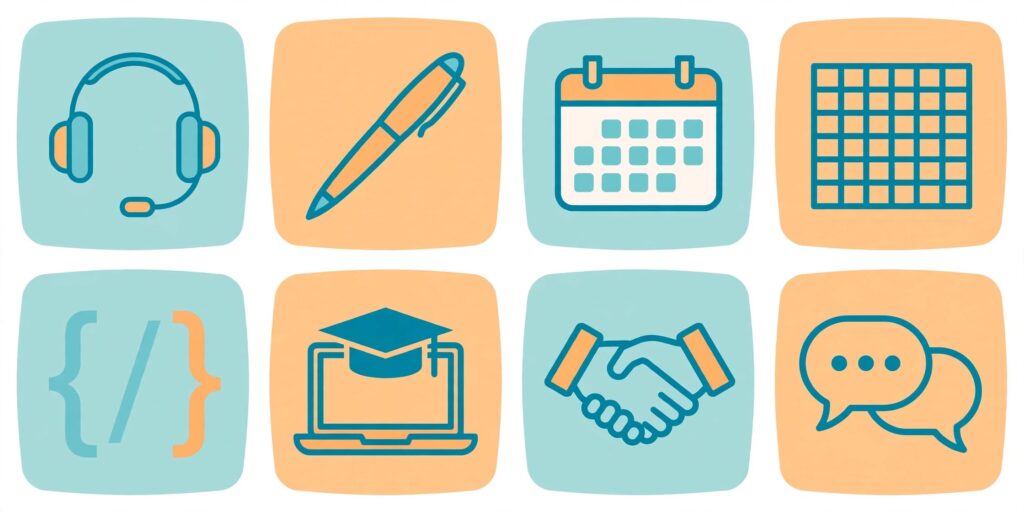
Plenty of fields hire remotely. Here are the most common ones and what they usually expect:
- Customer support: Answering emails and chats. Patience and clear writing matter most.
- Content writing and editing: Blog posts, product descriptions, proofreading.
- Virtual assistance: Calendar management, inbox handling, research, travel booking.
- Data entry and administration: Accuracy and comfort with spreadsheets.
- Software and IT: Development, QA testing, technical support.
- Online tutoring: Language lessons, school subjects, test prep.
- Recruiting and HR coordination: Screening candidates and scheduling interviews.
- Social media coordination: Scheduling posts, replying to comments, simple reporting.
Fresh graduates often start in support, admin, or coordination roles, then move into specialist positions after a year or two. If you’re early in your career, treat these as stepping stones.
Skills Remote Employers Look For
Managers hiring for work from home jobs can’t watch you work, so they hire for trust. These are the qualities that build it:
- Written communication: Most remote teams run on messages and email. Short, clear writing sets you apart.
- Self-management: You’ll need to plan your day without someone checking in.
- Comfort with tools: Slack, Zoom, Google Workspace, and project boards like Trello are standard.
- Reliability: Meeting deadlines and replying within agreed hours matters more than flashy talent.
- Problem solving: Solving small issues yourself saves a distributed team hours.
Don’t just list these skills. Prove them. Instead of writing “good communicator,” write: “Managed the shared support inbox and replied to every customer within one working day.”
Where to Search for Work From Home Jobs

Remote-focused job boards
Boards built for remote hiring filter out location-bound roles, which saves you time. Start with our job listings and set alerts for terms like “remote,” “distributed team,” “telecommute,” and “work anywhere.”
Company career pages
Many companies post openings on their own sites before anywhere else. Make a list of ten employers you’d enjoy working for, bookmark their careers pages, and check them weekly.
LinkedIn and your network
Use the remote filter, switch on “open to work” for recruiters, and message people who hold the role you want. Keep the note short: who you are, what you’re targeting, and one specific question. Many remote jobs are filled through referrals before they are widely advertised.
A quick tip: Apply within the first few days of a posting. Remote roles often receive hundreds of applications within a week, and early applicants get seen more often.
How to Tailor Your Resume for Remote Roles
When you apply for work from home jobs, your resume usually passes through an applicant tracking system (ATS) before a person reads it. These systems scan for keywords from the job post. Here’s how to work with them:
- Mirror the job post’s wording. If it says “customer success,” don’t write “client care.”
- Lead with relevant wins. Put remote-friendly achievements near the top: independent projects, online collaboration, results you delivered without close supervision.
- List your tools. Mention the software you’ve used, such as Zoom, Slack, Asana, or Google Sheets.
- Keep it to one or two pages. Recruiters skim.
A strong summary might read: “Customer support specialist with three years of experience resolving tickets across email and chat, seeking a remote role where clear communication and fast follow-up make a difference.”
Short on time? A clean resume builder helps you format everything without design headaches.
Keep your cover letter to three short paragraphs: why this company, what you’ll bring, and how you work independently. Skip the life story.
How to Spot Fake Remote Job Offers
Unfortunately, some fake postings pretend to be work from home jobs. Walk away if you see any of these red flags:
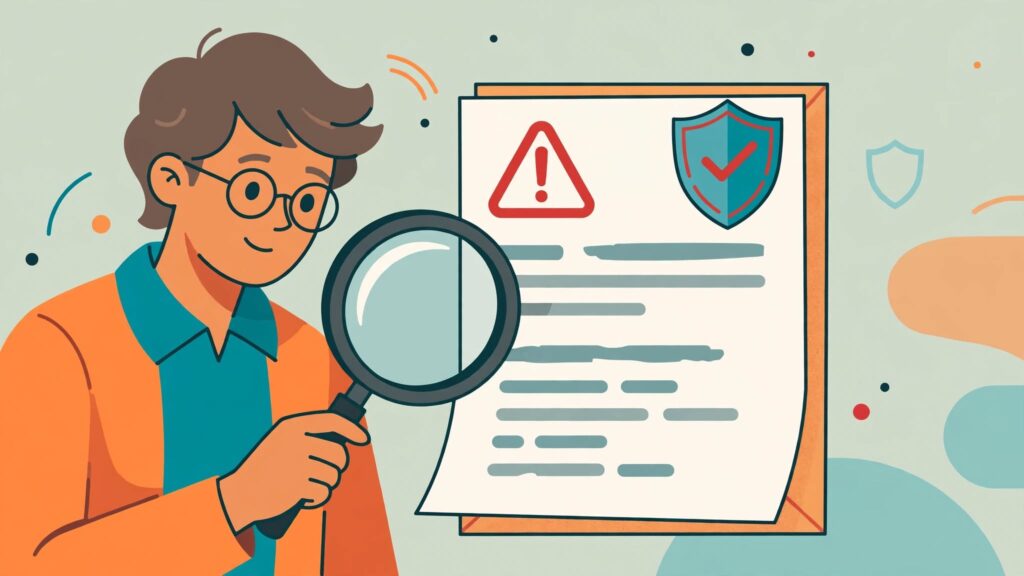
- You’re asked to pay for training, equipment, or “registration.”
- Someone sends you a check and asks you to forward part of it.
- The interview happens only in a messaging app, with no video or voice call.
- The job description is vague, but the pay is unusually high.
- Emails come from a personal address instead of a company domain.
Before you apply, search the company name plus “reviews,” confirm it has a real website, and check that the recruiter’s email matches the company domain. A legitimate employer never charges you to get hired.
How to Ace the Remote Interview
Most remote interviews happen on video, so preparation looks a little different:
- Test your setup the day before: camera, microphone, internet, and the meeting link.
- Choose a quiet, well-lit spot with a plain background.
- Prepare three or four stories using the STAR method (Situation, Task, Action, Result).
- Expect remote-specific questions, such as “How do you stay focused at home?” or “Tell me about a time you worked with people in another time zone.”
For a full list of questions and sample answers, see our interview guides.
After the interview, send a thank-you email within 24 hours. Mention one specific thing you discussed. It’s a small habit that most candidates skip.
Moving Into Remote Work From Another Career

If you’re switching fields, don’t assume you’re starting from zero. Many work-from-home jobs value experience in teaching, retail, or administration because those careers build communication, organization, and problem-solving.
Make a list of your transferable skills, then match each one to a remote role. A retail supervisor, for example, already has the customer handling and scheduling skills that remote support teams need. Our career change guide walks you through this process step by step, and the remote work guide explains how to set up a productive home office and routine once you land the job.
Common Mistakes to Avoid
- Using one resume for every application. Tailor it each time, even if it only takes ten minutes.
- Ignoring location rules. Check country and time zone requirements before applying.
- Treating work from home jobs as less demanding. Employers expect the same quality and deadlines as an office role.
- Skipping your online presence. Update your LinkedIn profile, because remote recruiters will check it.
- Quitting too early. A remote job search can take weeks or months. Consistency beats speed.
Frequently Asked Questions
Can beginners get work from home jobs without experience?
Yes. Entry-level roles in customer support, data entry, and virtual assistance often hire beginners. Highlight school projects, volunteer work, and any online tools you already use, and show that you learn quickly.
Do work from home jobs pay less than office jobs?
Not necessarily. Pay depends on the role, the company, and its location policy. Some employers adjust salaries by region, while others pay one rate for everyone. Compare similar roles before you accept an offer, and don’t be afraid to negotiate.
What equipment do I need to work remotely?
At minimum, a reliable laptop, stable internet, a headset, and a quiet corner. Some employers provide equipment or a small allowance, so ask during the interview.
How long does it take to get hired remotely?
It varies. If you apply consistently and tailor each application, many candidates see interviews within a few weeks. Others take a few months, especially in competitive fields.
Conclusion
Work from home jobs are real, growing, and open to people at every career stage, but they reward preparation. Know which roles fit your skills, search in the right places, tailor your resume, and stay alert for scams. Then practice your video interview until it feels natural.
Ready to start? Pick one role from this guide, update your resume today, and send your first application before the week ends. Your next opportunity could be one click away.