
- Resume vs CV: The Short Answer
- Why the Resume vs CV Confusion Exists
- What Goes on a Resume
- What Goes on a CV
- When to Use a Resume
- When to Use a CV
- Resume vs CV: Format and Style Differences
- Can You Turn a CV Into a Resume?
- Cover Letters: Do They Change?
- Common Mistakes to Avoid
- Frequently Asked Questions
- Conclusion
You find a job you love. The posting says “send your CV.” You’ve only ever written a resume. Do you send the same document, or start over?
The resume vs CV question confuses many job seekers, and sending the wrong one can make you look unprepared. This guide explains the real differences in plain language, shows when each one fits, and helps you choose with confidence.
Resume vs CV: The Short Answer
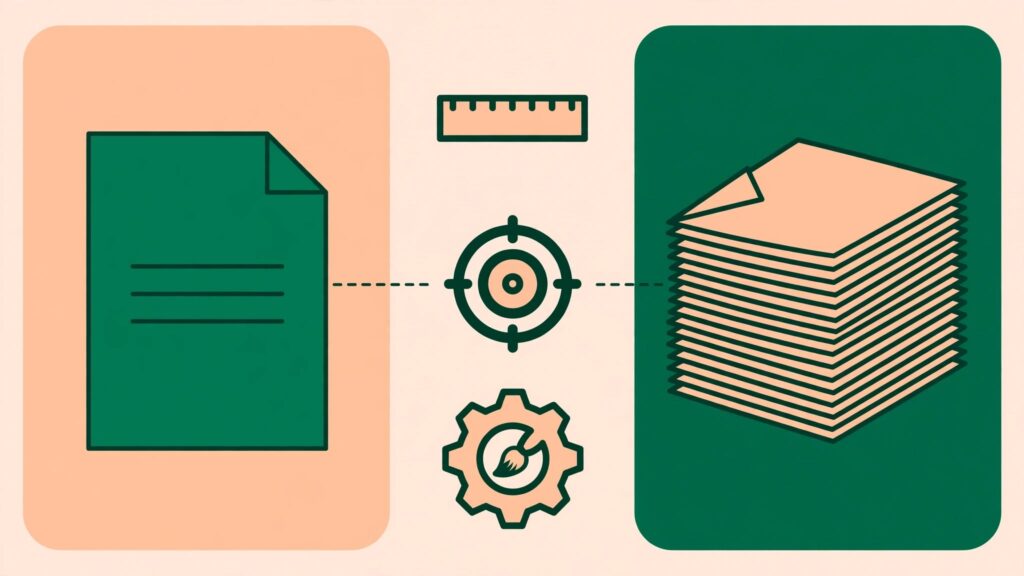
A resume is a short, targeted summary of your skills and work experience, usually one page. A CV (curriculum vitae) is a longer, detailed record of your whole academic and professional history, often two pages or more.
Here is how they compare at a glance:
| Feature | Resume | CV |
|---|---|---|
| Length | 1 page (2 at most) | 2+ pages, grows over time |
| Purpose | Win an interview for a specific job | Show your full academic or career record |
| Content | Selected, relevant experience and skills | Everything: education, research, publications, awards |
| Customized? | Yes, for every job | Updated, but rarely cut down |
| Common in | Corporate, business, tech, service jobs | Academia, research, medicine, science |
Why the Resume vs CV Confusion Exists
The terms mean different things depending on where you live. In the United States and Canada, “resume” is the standard document for most jobs, and “CV” is mainly for academic and research roles. In the UK, Ireland, Australia, New Zealand, and many parts of Asia, Africa, and the Middle East, “CV” often means exactly what Americans call a resume: a one or two page job application document.
So before you decide, check three things: the country of the employer, the industry, and the exact wording in the job post. When in doubt, follow the posting’s instructions.

What Goes on a Resume
A resume is a highlight reel. It includes only what supports the job you want.
- Contact details and LinkedIn link
- A short summary or career objective
- Work experience with results
- Skills and tools
- Education and relevant certifications
Every line should answer one question: why am I a good fit for this role? Keep it to one page if you have under ten years of experience.
Example bullet: “Managed a shared support inbox for a team of eight and cleared all tickets within one working day.”
A clean resume template keeps this structure tidy and easy to scan.
What Goes on a CV
A CV is a complete academic and professional record. It is not shortened for each application, and it grows as your career does.
- Contact details
- Education, including thesis or dissertation titles
- Research experience
- Publications and conference presentations
- Teaching experience
- Grants, fellowships, and awards
- Professional memberships
- Work experience
- Skills, languages, and references
A CV can run three, five, or even ten pages for senior academics. That length is normal in that field, so don’t try to cut it down to one page.

When to Use a Resume
Choose a resume when you apply for:
- Corporate and business roles
- Customer support, sales, and administration
- Marketing, design, and technology jobs
- Entry-level and internship positions in most industries
If the job post asks for a resume, or you’re applying in the US or Canada for a non-academic role, this is your document.
When to Use a CV
Choose a CV when you apply for:
- University teaching or research positions
- Scientific, medical, and clinical roles
- Fellowships, grants, and scholarships
- PhD and postgraduate programs
- Some international roles where “CV” is the local word for a standard job application
For the last point, read the posting carefully. If a company in the UK asks for a CV, they usually expect two pages focused on your recent experience, not a ten-page academic record.
Resume vs CV: Format and Style Differences
Resume
- Tailored to each job, with keywords from the posting
- Strong action verbs and measurable results
- Reverse-chronological order, newest job first
- Tight, with no filler
CV
- Consistent and comprehensive
- Organized by section, such as Research, Publications, and Teaching
- Emphasis on credentials, not short bullet summaries
- Longer descriptions are acceptable
For both documents, stick to a simple layout with standard headings. This keeps them readable for recruiters and applicant tracking systems (ATS). If you’d like help with layout, our resume builder creates clean, parser-friendly files.
Can You Turn a CV Into a Resume?
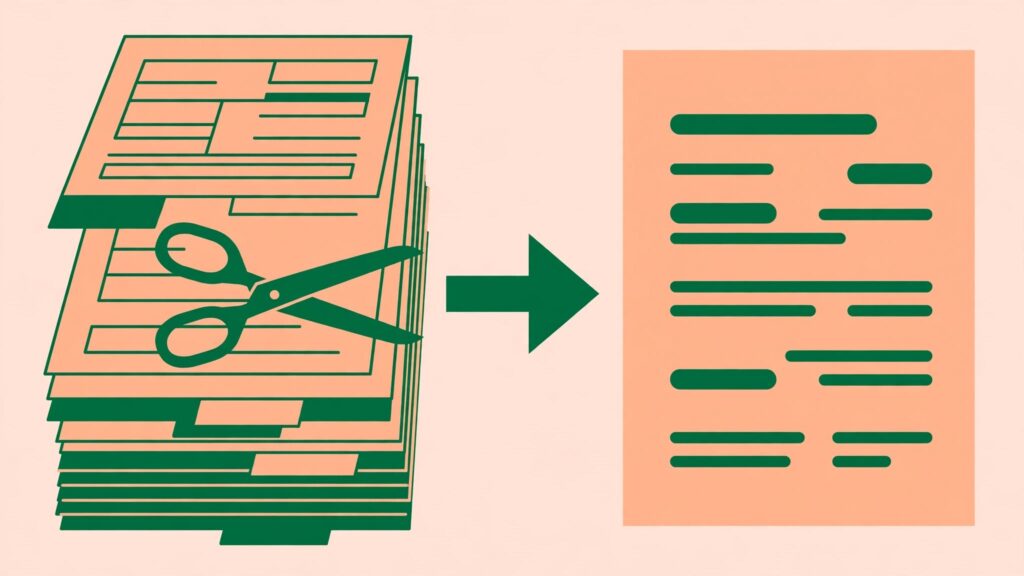
Yes, and many people need to. If you’re leaving academia for industry, for example, you’ll have to trim and reframe your CV.
- Cut it to one or two pages. Keep only what relates to the target job.
- Lead with transferable skills. Project management, data analysis, writing, and teaching all translate well.
- Turn research into results. Replace “Published four papers” with “Researched and presented findings to audiences of up to 200.”
- Remove academic-only sections. Long publication lists and conference details rarely matter in business roles.
- Add a short summary. Explain the move in two lines.
Our career change guide offers more help translating one field’s experience into another’s language.
Cover Letters: Do They Change?
Both documents often travel with a cover letter. For a resume, keep the letter to three short paragraphs focused on why you fit the role. For an academic CV, the letter can be longer and mention your research interests, teaching approach, and goals. Follow the posting’s instructions either way.
Common Mistakes to Avoid
- Sending a ten-page CV for a business job. Hiring managers won’t read it.
- Sending a one-page resume for an academic post. Committees expect full detail.
- Ignoring local customs. Check whether the country expects photos, personal details, or a specific format.
- Using the same document for every job. Tailor your resume each time.
- Forgetting to update. Add new achievements as they happen so you’re ready when an opening appears.

Browse current job listings to see which term employers in your field and region use most.
Frequently Asked Questions
Is a CV the same as a resume?
Not always. In the US and Canada they differ in length and purpose. In the UK and many other countries, “CV” often means a standard one or two page job application document.
Which is better for getting a job: resume vs CV?
Neither is better in general. The right choice depends on the industry, country, and employer instructions. For most corporate jobs, a tailored resume works best.
How long should a CV be?
For an early-career professional, two pages is typical. Academics and researchers may have longer CVs that grow with publications and experience.
Can I use the same file for both?
You can keep a master CV with everything in it, then create shorter resume versions for each job by selecting only the most relevant details.
Conclusion
The resume vs CV difference comes down to purpose and place. A resume is short and targeted. A CV is long and comprehensive. Check the employer’s country, industry, and wording, then send what they ask for.
Today, save a master version with all your experience, then create a one-page resume from it for the next job you want. Send it before the week ends. When the interview invitation arrives, our interview guides will help you prepare.